Book your Experiences
Tours - Battlefield
A journey through history
Cassino is located in a historically strategic place for communications between central and southern Italy. It is one of the locations crossed by the Gustav Line, a fortified line commissioned by Hitler and built in 1943 with the aim of slowing down the advance of the allies, and was almost totally destroyed by the bombings of the Second World War.
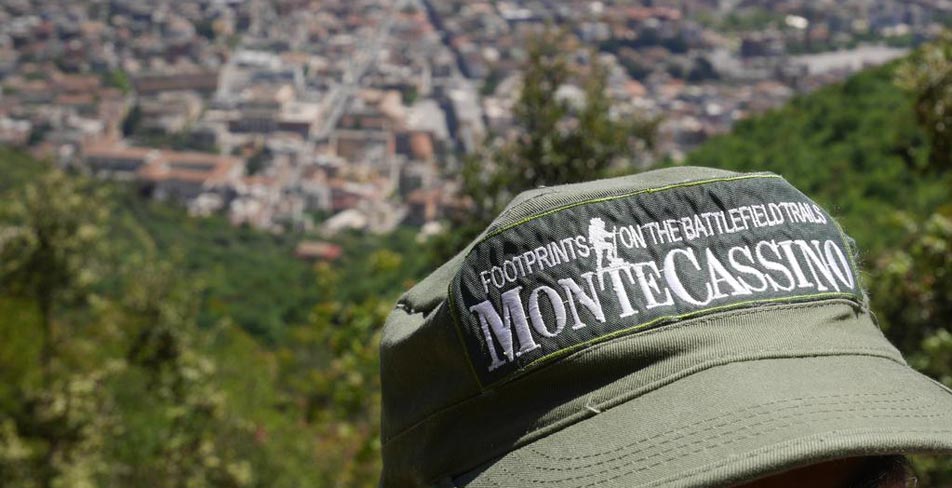
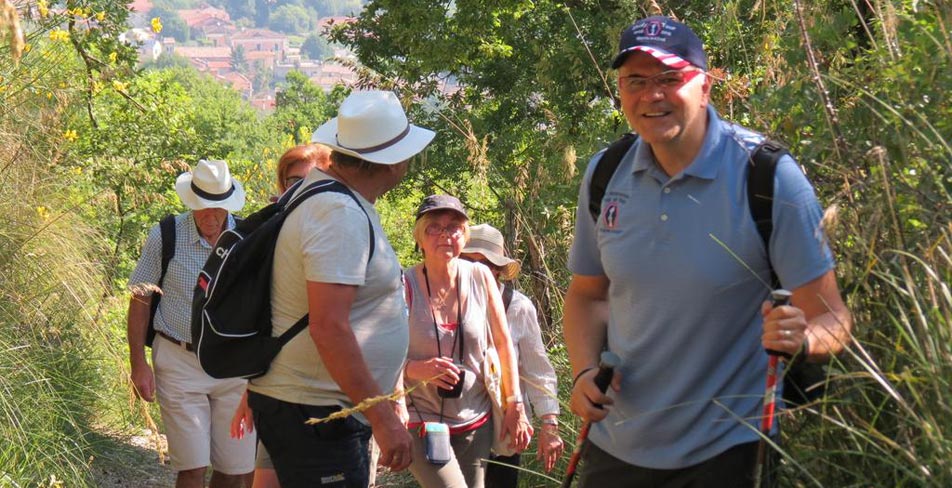
In Cassino, the memory of the Second World War is still alive thanks to the Battlefield Tours: excursions and guided tours along the Gustav line that tell the story of the battles, the German occupation and the consequences of the conflict on the territory.
Watch the video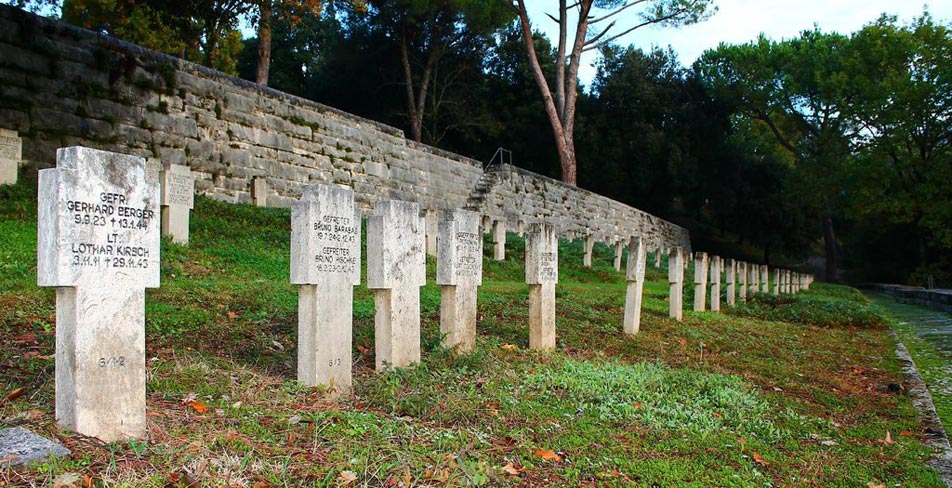
Events
The tours are differentiated and personalized and follow specific themes and stories: in addition to strategic areas such as the Gustav line, the Bernhardt line (also called Winter Line) and the Montecassino Abbey, the stories of the military are retraced, such as the T-patchers of the 36th Texas Division or the Canadian soldiers, who faced one of the bloodiest battles in May 1944, or the Poles or the military New Zealanders or, finally, the 34th Infantry Division, made up of American soldiers from Minnesota, Iowa, Dakota and Nebraska


Experiences
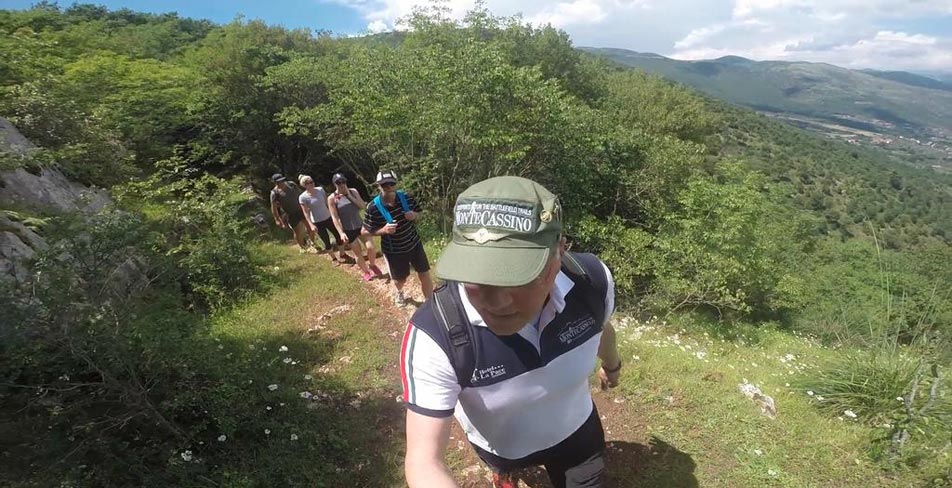
The Battlefield Tours are true historical experiences, full of evocative emotions, which tell of one of the darkest and most intense periods of Italy and Europe. Today they are an opportunity to learn more about the history of the Second World War, in an atmosphere of lightness and conviviality that will also offer you the opportunity to admire the beautiful area surrounding Cassino.


War Cemeteries
& Commemorations
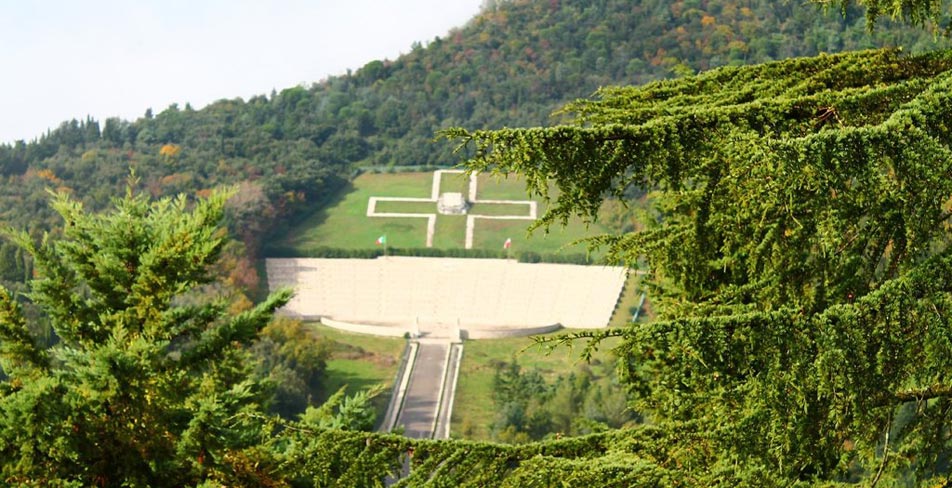
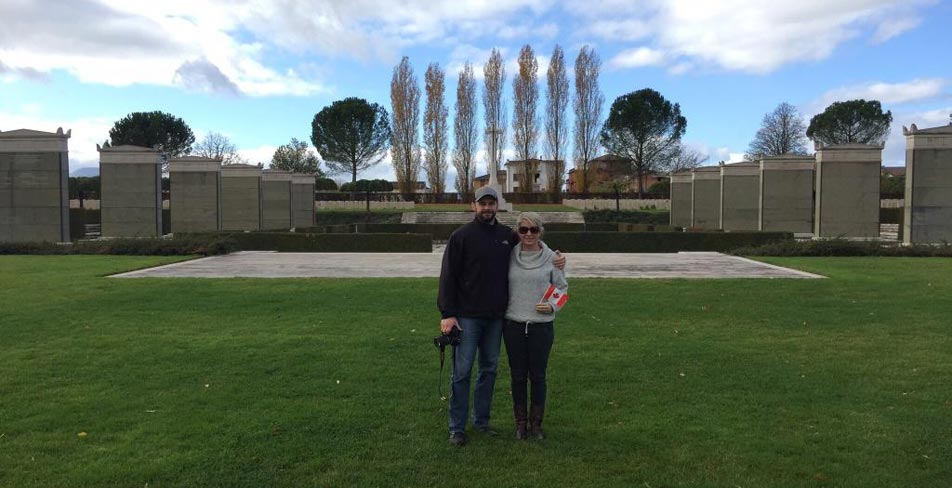
Many soldiers from all over the world clashed at the foot of Montecassino, so much so that here we find a military cemetery where the remains of Commonwealth soldiers are preserved, therefore coming from the United Kingdom, Canada, Australia, New Zealand, South Africa, India, Nepal and Pakistan.
Tours - Abbey
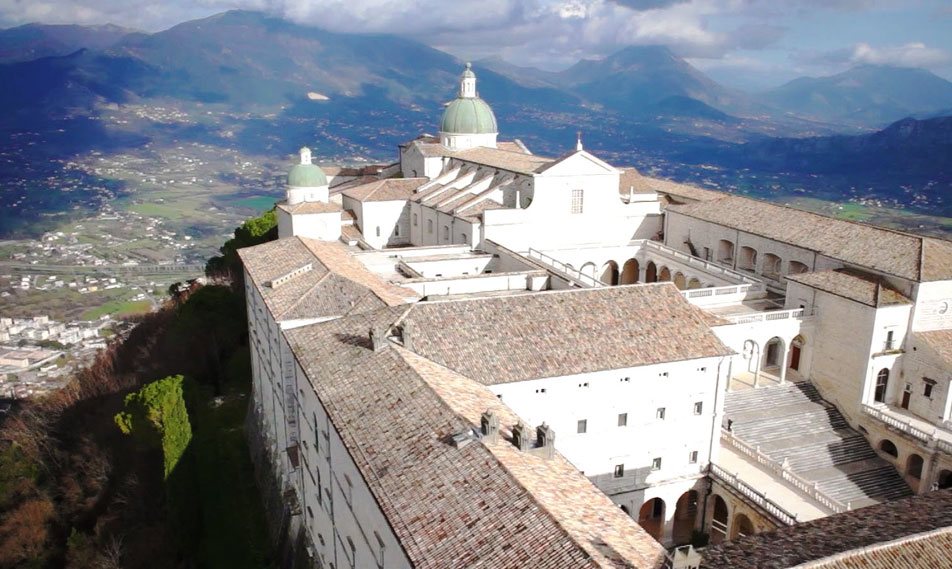
Abbey of Montecassino
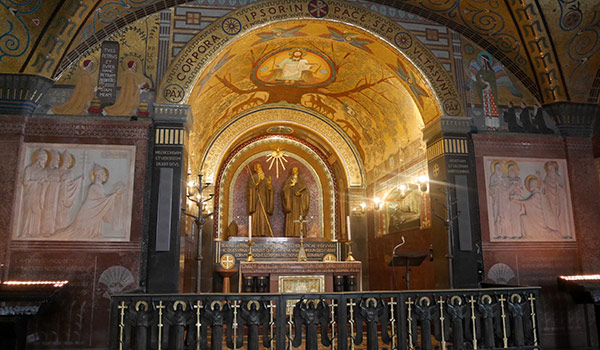
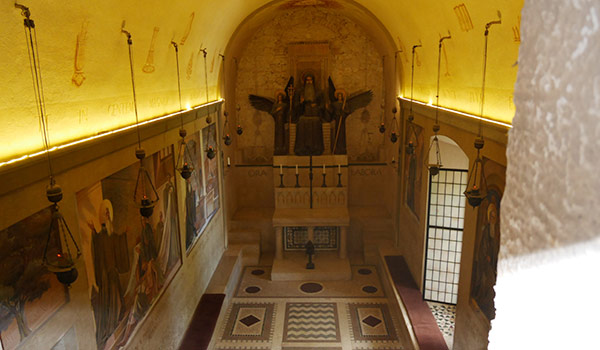
Founded by San Benedetto in 529 on the site of an ancient tower and a temple dedicated to Apollo, the Abbey of Montecassino has gone through centuries of destruction and rebirth. Devastated by the Lombards in 581, the monks took refuge first in Rome and then in the community of San Colombano in Bobbio, contributing to the spread of Benedictine monasticism in Europe. Rebuilt in 717 by Petronace, it was destroyed again by the Saracens in 883 and rebuilt by Pope Agapito II in 949. After the earthquake of 1349, it was rebuilt in 1366 in Neapolitan Baroque style, until the tragic destruction of 1944 during the Second World War.
Saint Benedict Patron Saint of Europe
Saint Benedict and his twin Saint Scholastica were born in Nursia (Norcia) around 480, to a noble Christian family. As was the practice of the time, boys from noble families were sent to study in Rome and this also happened to San Benedetto, who however soon tired of life in the capital, characterized by debauchery and immorality.
He embraced spiritual life by isolating himself as a hermit, until he was entrusted with a monastery. From here his period of growth began which led him to build 12 monasteries in Subiaco and then moved, in 529, to Cassino. On the top of the mountain, Saint Benedict and his most faithful disciples built the first abbey of Montecassino.
Visit to the Abbey
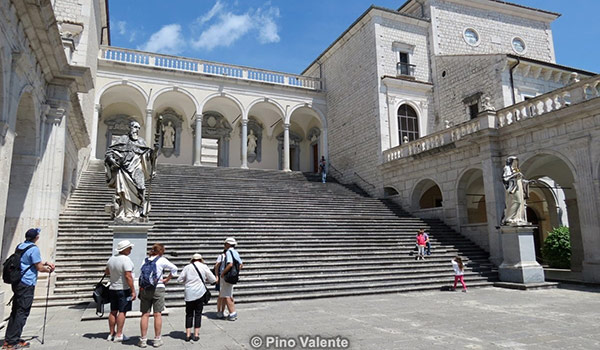
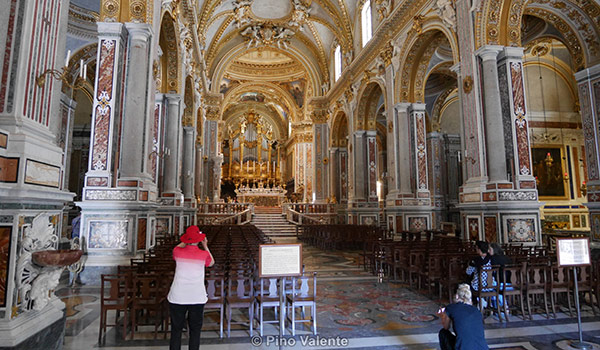
The Abbey of Montecassino is one of the main religious and cultural centers in central Italy. In the Middle Ages it was a hub of culture thanks to the abbots, libraries, archives and writing schools which preserved ancient works, illuminated manuscripts and rare incunabula. Rebuilt in 1366 after the earthquake of 1349, in the 17th century it took on a Neapolitan baroque style, enriched by artists such as Luca Giordano and Francesco Solimena. Destroyed by Allied bombing in 1944, it was faithfully rebuilt after the war. In 2009, Pope Benedict XVI visited the abbey on the occasion of the 65th anniversary of its destruction, paying homage to Saint Benedict, a central figure of European culture.